

Plan My Sources
Your library is full of information sources. Knowing where to find the type of information that you need is important whether you are doing a report, trying to find the answer to a question, or want to read about something that interests you.
Start with your topic or keywords in mind.
For instance, if you are getting a dog and want to learn more about the different breeds, you might ask the question, "Which dog breeds make good family pets?" Then you'll need to decide what type of source will help you learn more about this topic and answer your question.
When planning for your sources, consider this:
- What type of information will you need?
- What sources contain this type of information?
- Does your assignment require a specific type and number of sources?
Click on the pictures below to learn about different types of sources.
If you need the most up-to-date information, try. . . |
||||
|
|
|
|
|
|
If you need historical information, try. . . |
||||
|
|
|
|
|
|
If you need background or summary information, try. . . |
||||
|
|
|
|||
If you need very specific or in-depth information, try. . . |
||||
|
|
|
|
|
|
If you need first-hand accounts, try. . . |
||||
|
|
|
|
|
|



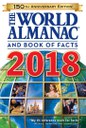





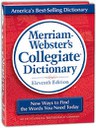

Next => Now that you have a plan for your sources, it is time to go to the next step of the OSLIS research process: Find.